
Call 877-650-5040
Bankruptcy

Texas Apartments That Accept Bankruptcy: Chapter 7 and 13

Searching for an apartment with bankruptcy in Texas? Tell us the city you want and where your case stands. Our search help is free. Each property sets its own paperwork and screening rules. We check the rules for you, and you confirm the paperwork with the property before you apply.

Last updated: October 19, 2026

20+ Years
In Real Estate Between Us
7
Screening Situations We Cover
100% Free
To Renters
TREC #562021
Brokered by Spirit Real Estate Group

Sound familiar?

A few things to sort out before your next application.

Which case papers and income documents does the property want?

How does the property look at a discharged bankruptcy?

What income information does the property need during an active Chapter 13 plan?

Does the property look at an old apartment balance separately from the bankruptcy?

How Chapter 7 and Chapter 13 Look to a Leasing Office

Chapter 7 is the “fresh start” bankruptcy. The trustee can sell property that isn't exempt. Most unsecured debts get wiped out, though child support and most student loans survive. Once it's discharged, your credit report still shows the bankruptcy, but the debts it covered are gone. Some Texas communities, from large garden style complexes in Houston to mid rise buildings in Dallas, read that as a good sign. There are no active collections, and the discharge order is public proof that the process is over.

Chapter 13 is the reorganization bankruptcy. You keep your assets and follow a repayment plan the court approves (usually 3 to 5 years). During the plan, the trustee payment comes off the top, and communities that approve an active Chapter 13 count only what's left. A $4,000 monthly income with a $600 trustee payment leaves $3,400 of usable income. At the usual 3x rule, that supports about $1,130 in rent.

Read our guides on renting after Chapter 7 and renting with active Chapter 13 for the details.

When Bankruptcy and a Broken Lease Overlap

If your bankruptcy included debt to a former apartment community, it may show up as both a bankruptcy and a broken lease. The bankruptcy sits on the credit side of your report, and the old apartment balance can still appear in rental history data like RealPage LeasingDesk. Some communities count that as one issue. Others see two separate red flags.

We look for communities that count it once. See our broken lease apartment locating page for the rental history side.

How We Help You Search After Bankruptcy

We skip communities that deny bankruptcy automatically. For Chapter 7, we look for communities that treat the discharge as resolved. Some of them offer conditional approval with a one time risk fee, often a few hundred dollars. For active Chapter 13, we look for communities that check your income after plan payments instead of turning you down over the filing alone. We'll tell you which papers to pull, from the discharge order to trustee statements, and how to present them with your application.

How We Compare

FeatureTypical Apartment LocatorNo Credit Check Apartments
Cost to renterVaries100% free
Screening knowledge for bankruptcyTreats every bankruptcy the sameMore than 20 years in real estate between us
LicensingShould hold a TREC license, so askBrokered by Spirit Real Estate Group, LLC (TREC #562021)
Response timeDaysUsually same-day replies
Risk fee guidanceRarely comes upConditional approval paths with risk fee options

Credit After Bankruptcy vs. Active Collections

After bankruptcy, your credit score often lags reality. You’re rebuilding, but the score hasn’t caught up. Some communities read bankruptcy as a credit event that’s now over and treat it differently than active collections that are still growing. Others treat both the same. We track which communities fall on each side.

  • Chapter 7 or 13, and discharged vs. active
  • Filing date and discharge date
  • Whether it included any prior apartment debt
  • Current income (after the trustee payment if your Chapter 13 is active)

Send us the details and we’ll send back a list of communities to look at. It’s 100% free to renters.

What We Handle for You

We go over all of this with you before you fill out a single application.

Communities that don't automatically deny a discharged bankruptcy

Chapter 7 vs. Chapter 13 matching (discharged is easier than active)

Showing your income after the trustee payment in an active Chapter 13

Help with discharge paperwork and trustee documentation

Tired of paying fees just to get denied?

Tell us what's going on, and we'll send you Texas communities worth a look. It's 100% free. Communities pay us, not you.

Three Steps to Your Property List

1

Chapter 7 or 13, discharged or active?

Type and status matter most. A discharged Chapter 7 usually opens more doors. An active Chapter 13 means showing your income after the plan payment.

2

We look for communities that may consider it

We track which Texas property managers don't automatically deny bankruptcy and which read a discharged Chapter 7 as a clean slate.

3

You apply with discharge docs

Your discharge order and trustee statements carry the most weight here. We show you how to present them.

Why Talk to Us Before You Apply

Chapter 7 vs. Chapter 13

Some communities treat a discharged Chapter 7 and an active Chapter 13 the same way. Others don't, and we track which is which.

When bankruptcy and a broken lease overlap

Old apartment debt in your bankruptcy can show up twice on screening. We track which communities count it once.

Rebuilding credit after discharge

Some smaller landlords will look at you within weeks of your discharge. Many managed communities want three to six months to pass. The strictest want one to two years, and we track the wait each one sets.

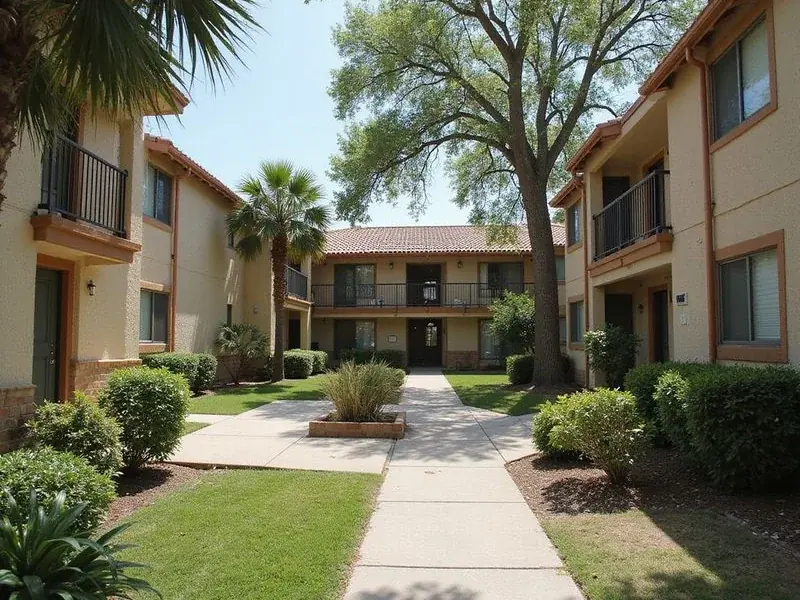
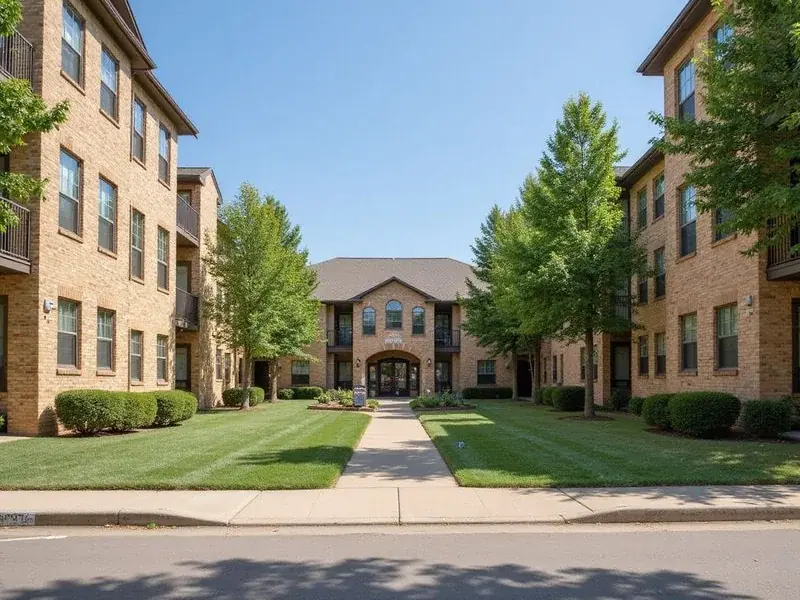
Trustee statement and discharge letter ready for an apartment applicationIllustration of a Fort Worth apartment communityRenter signing a lease after a bankruptcy dischargeIllustration of garden style apartments in San Antonio

Frequently Asked Questions

Can I rent an apartment in Texas after Chapter 7 bankruptcy? +

Yes, especially once discharged. Some Texas communities read a discharged Chapter 7 as a clean slate rather than a deal breaker. We look for communities that may consider your case and your current income.

What about active Chapter 13? +

Harder, but it happens. Communities that approve an active Chapter 13 count only the income left after your trustee payment, so the rent has to fit that number.

How long does bankruptcy stay on my credit report? +

Chapter 7 stays 10 years from the filing date, and Chapter 13 stays 7. Staying on the report isn't the same as blocking approval, though. How much it counts depends on the community.

What documentation do I need to rent after bankruptcy in Texas? +

For Chapter 7, your discharge order. For Chapter 13, the plan confirmation order and a trustee statement showing you're current. Then recent pay stubs and bank statements, usually the last 2 to 3 months. We’ll help you get the papers together. Each community keeps its own list, so ask them for it too.

Can I rent an apartment with my Chapter 13 still active? +

Yes, though fewer communities will. Some approve renters during an active Chapter 13 repayment plan, especially with a trustee statement showing you're current on payments. We look for communities that do the math on your income after the plan payment instead of stopping at the filing.

Bankruptcy Apartment Locating Across Texas

We look for apartments that may consider a bankruptcy in all five Texas metros we serve. Pick your area to see how local screening works and start your free search.

See Which Communities May Take Your File

Tell us your chapter, your case status and where you want to live. Expect a reply, usually the same day, and a list in 24 to 48 weekday hours. Weekend messages most likely get answered Monday, and there's no cost to you.

Prepare before you apply

Find advice for your situation, gather your documents and plan your move-in costs.